The Anatomy Of Letters
The Anatomy Of Letters - What are the counters and spine? The descender in type is the part of a. [1] [2] strokes the strokes are the components of a letterform. A leg typography is the portion of a letter that extends downwards, attached at one end and free at the other. Web type anatomy leg. If the letter isn't fully closed, then it's. A stem, in type, is the main branch of a letterform. A typography ear is the small stroke that extends outwards. [3] strokes may be straight, as in k l v w x z, or curved, as. Fully or partially closed spaces found in letters like o, a, and b.

Anatomy Of Lettering Anatomical Charts & Posters

Typeface Anatomy by Alex Lang, via Behance Graphic design lessons
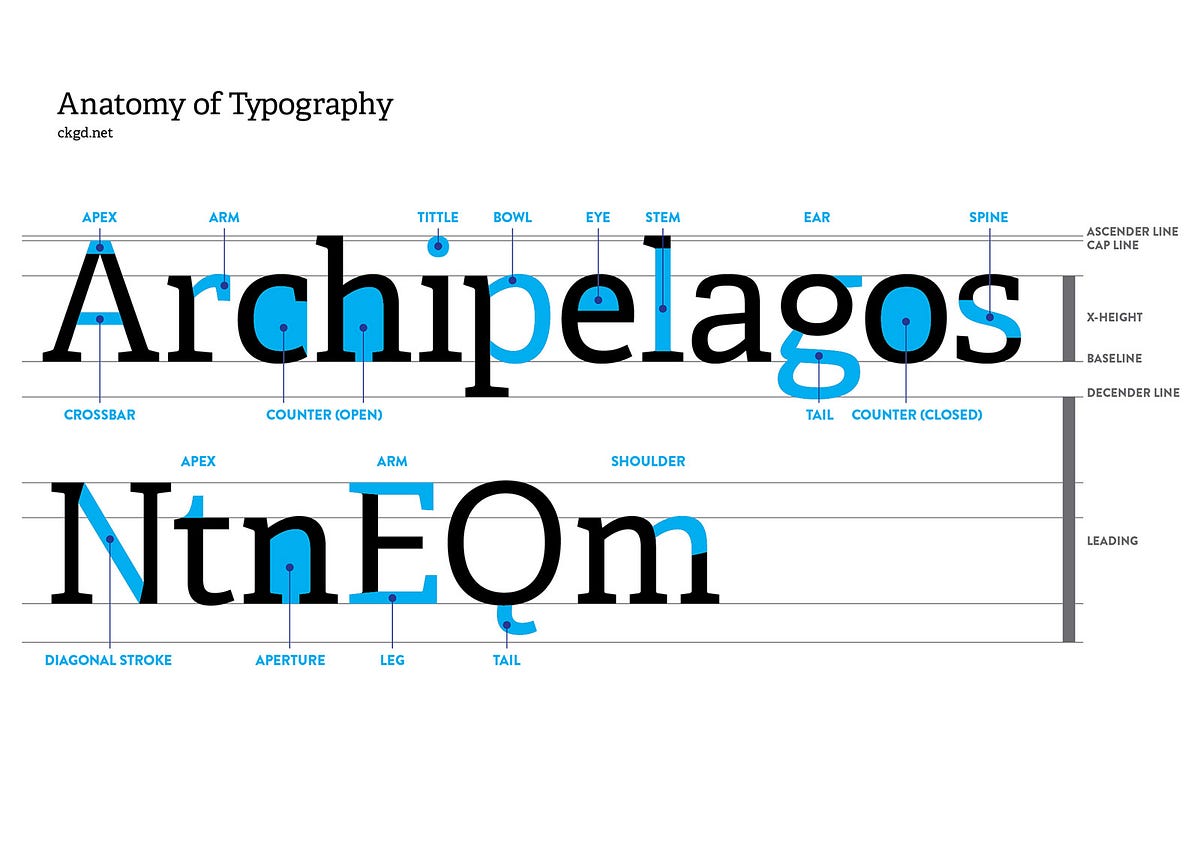
Anatomy of Typography — Letter features and characteristics by Chris

The Anatomy of a Letter (Printable)
A guide to the anatomy of letters! Created byMky r/coolguides
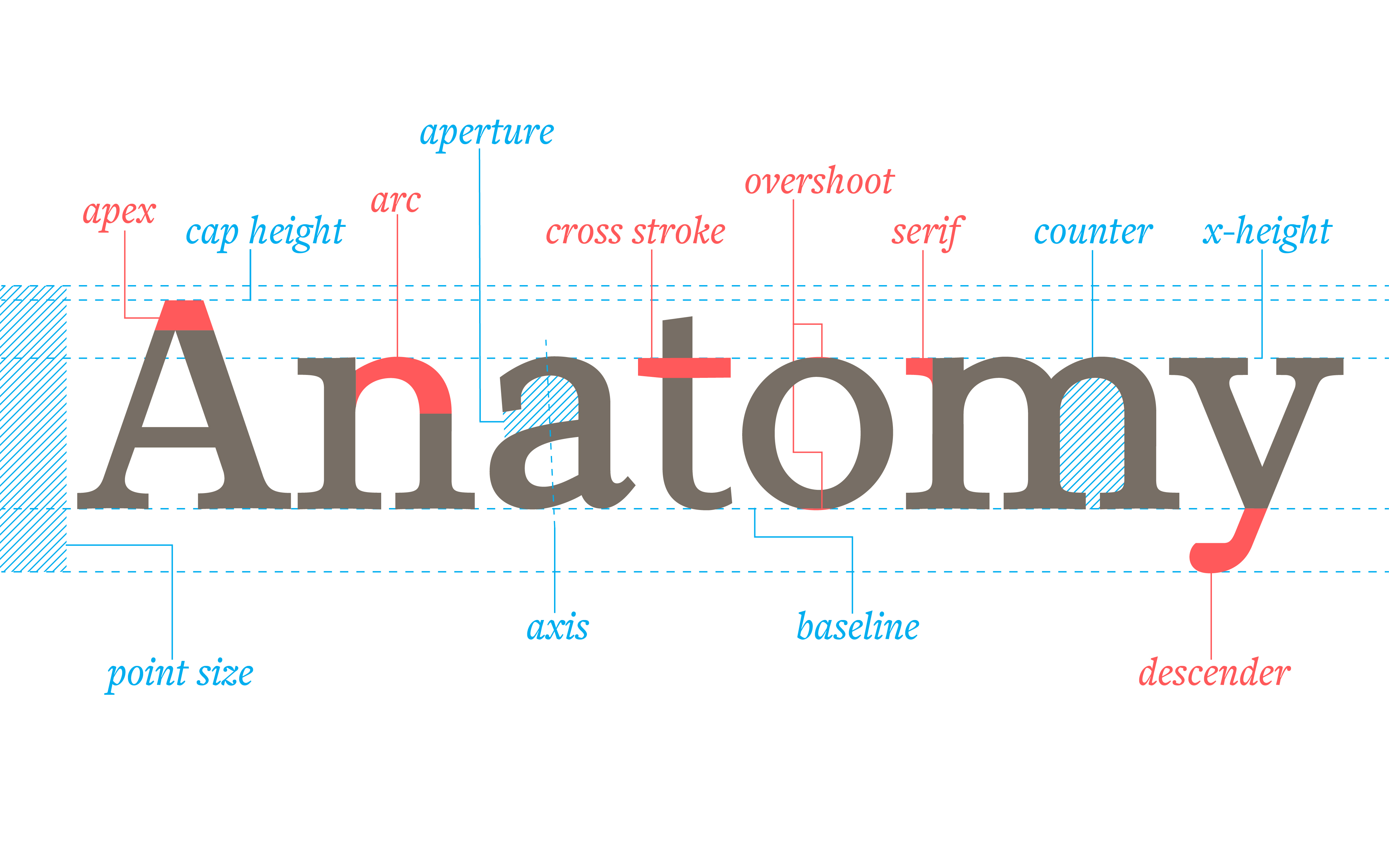
Defining the TermsPart 1 Anatomy Society of Fonts

Letterforms Typographic Anatomy — Studio Chavelli Calligraphy & Design

Calligraphy alphabets What are lettering styles? + FREE WORKSHEETS

Anatomy Of Typography Anatomy Book

Typography the Anatomy of Letters and difference between Serifs and
If The Letter Isn't Fully Closed, Then It's.
Web what is the anatomy of type? The descender in type is the part of a. It typically starts from the baseline and goes up to the. Web type anatomy leg.
A Leg Typography Is The Portion Of A Letter That Extends Downwards, Attached At One End And Free At The Other.
The different parts of a letter learn the correct terms for the different parts of a letter and familiarize yourself with its anatomy. [3] strokes may be straight, as in k l v w x z, or curved, as. A stem, in type, is the main branch of a letterform. A typography ear is the small stroke that extends outwards.
[1] [2] Strokes The Strokes Are The Components Of A Letterform.
Fully or partially closed spaces found in letters like o, a, and b. Web typeface anatomy describes the graphic elements that make up letters in a typeface. What are the counters and spine?